
Are We Living? Or Documenting?
On life through the lens

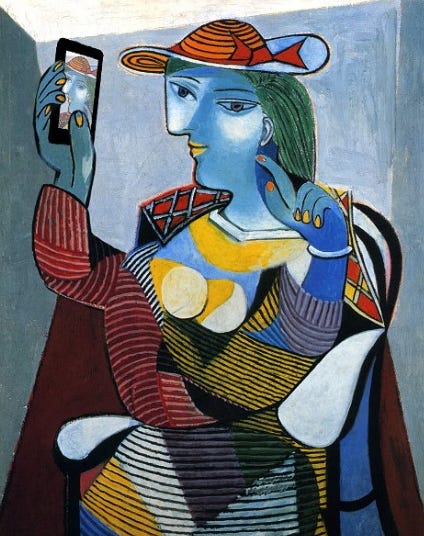
Pictures from this article.
Lately, I’ve been wondering: are we still living our lives, or are we mostly watching them happen?
“Hold on, don’t eat yet, I need a photo”; “Wait, stand over there, the light is better”. Moments are no longer just felt - they’re captured, framed, filtered, and released into the world like small press statements announcing that joy occurred.
And I understand the impulse. Photos are memory insurance. Proof that we were there. That we traveled, gathered, celebrated, loved. A way to hold onto fleeting things. To revisit them later. To say, “See? That happened.”
But lately I wonder if something subtle has flipped - if the documentation is no longer serving the memory, but replacing it.
If we’re no longer living moments first and photographing them second, but photographing them first so that they qualify as moments at all.
You see it everywhere. Concerts watched through screens held at eye level. Entire crowds filming the same chorus from slightly different angles, as if one person somewhere will compile it into a collective memory none of them individually experienced. Vacation viewpoints where people queue not to look out, but to look photographed looking out.
We are present, technically, physically. But mentally, we hover just outside ourselves, evaluating the scene from a third-person camera angle. We’ve all become anthropologists and sociologists to our own stories.
How does this look? How will this be perceived? Is this post-worthy? Is this memory legible to others? Life begins to feel less like a first-person experience and more like live content production. We narrate while participating. Frame while feeling. Edit while existing. And in doing so, we risk missing the thing we were trying to preserve. We document - not just to remember, but to confirm. To say: this mattered. This counted. This was worth seeing.
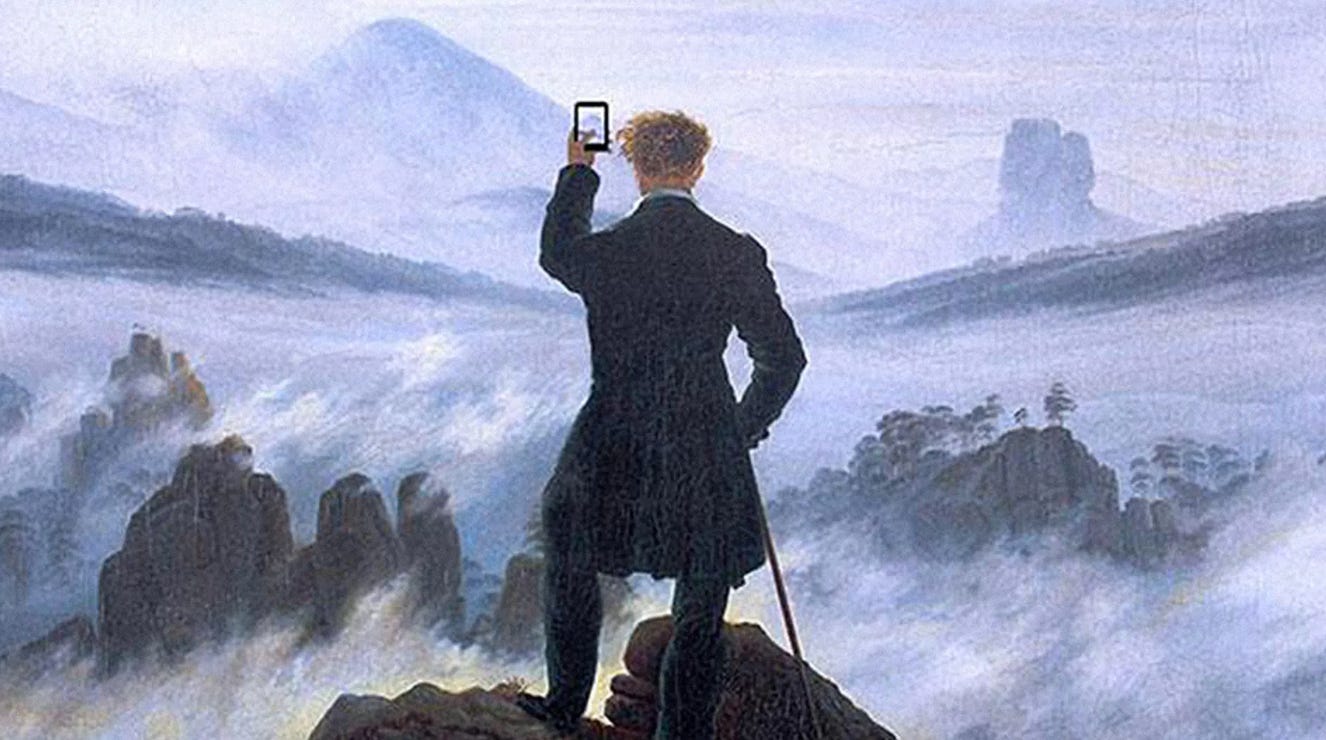
Because memory doesn’t work like photography. Memory is sensory. Atmospheric. It remembers how the air felt, how someone laughed, how time stretched or collapsed. It remembers what wasn’t staged.
Photos capture the surface of a moment. Memory captures its weight. But when every experience is filtered through the lens while it’s happening, we flatten that weight. We reduce the immersive blur of real time into curated still frames. We start to experience life as future nostalgia rather than present reality. “I’ll enjoy this later.” “I’ll post this later.” “I’ll remember this later.” And “later” quietly replaces now. It’s not malicious. It’s adaptive.
We live in an era where visibility is currency. Where moments feel more real once they’ve been witnessed by others. Where private joy sometimes feels incomplete until it has public validation.
How amazing would it be to go to a concert without phones? Doesn’t it feel like now people aren’t themselves, acting a bit different in case they are filmed? Not fully in the moment, since privacy is also tainted? Everything gets muted - our fun, our joy, our experience.
Because presence, real presence, leaves a different imprint. It requires nothing external. No proof. No archive. No caption. Just attention. There’s a noticeable shift when someone is fully present with you. When they’re not half-watching the moment through a mental viewfinder. When they’re not thinking about how this interaction will be perceived, documented, or shared. It feels grounding. Rare. Almost luxurious. To be with someone who is simply there. No lens between you. No performance layer. Just participation.
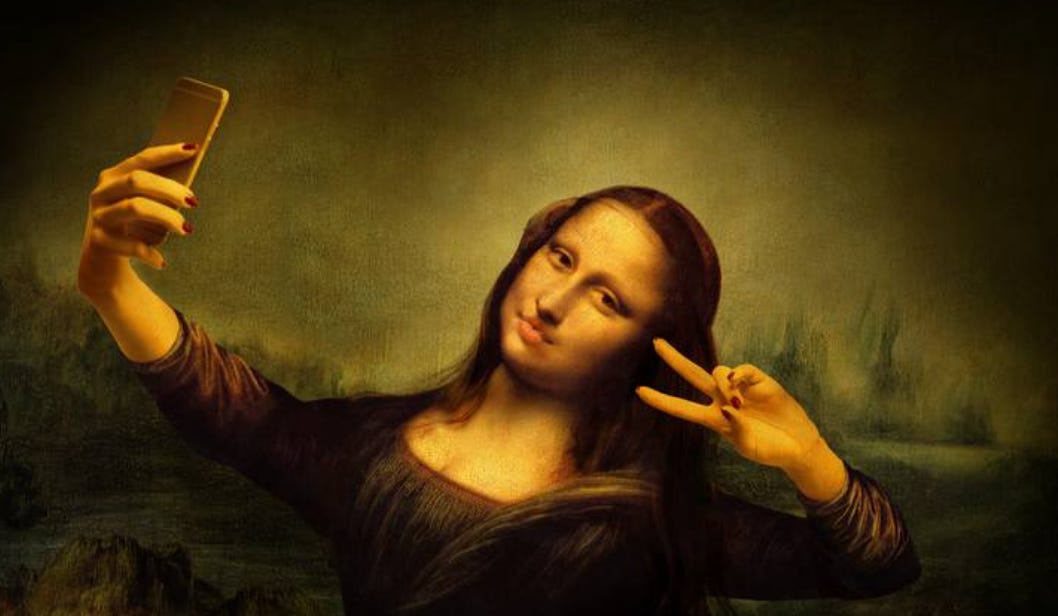
Maybe that’s the quiet question worth asking as we move deeper into this hyper-documented era: Are we collecting memories or manufacturing evidence of having had them? Because they are not the same thing. One lives inside you, textured and evolving. The other lives outside you, static and curated. Of course, photos will always matter. Documentation has always existed. Scrapbooks, photo albums, home videos are all attempts to freeze time’s forward motion. But those artifacts used to follow the moment. Now they often lead it.
Which brings me to a small proposal - not anti-technology, not anti-photo - just pro-presence.
Take fewer pictures. Stay in conversations longer. Watch the sunset without reaching for proof that it happened.
Trust that your mind - imperfect, selective, emotional - is still capable of remembering what mattered. Because the most meaningful parts of life rarely photograph well anyway.
Perhaps the real luxury in 2026 won’t be access, or aesthetics, or even experiences themselves. It will be the ability to live something fully. To live without needing to see how it looks from the outside while it’s happening. And to have the privacy to do so. The best moments were never meant to be viewed through glass. They were meant to be felt from within, without an audience.
Pro-presence 💪 I like that term! Me too. This article was a good reminder. Thank you!! ✨